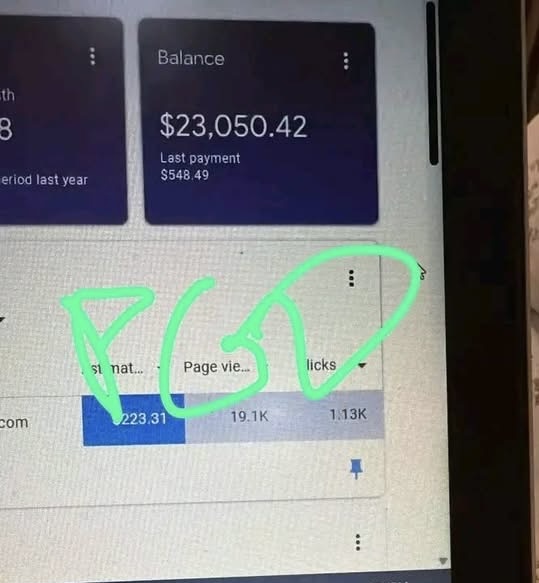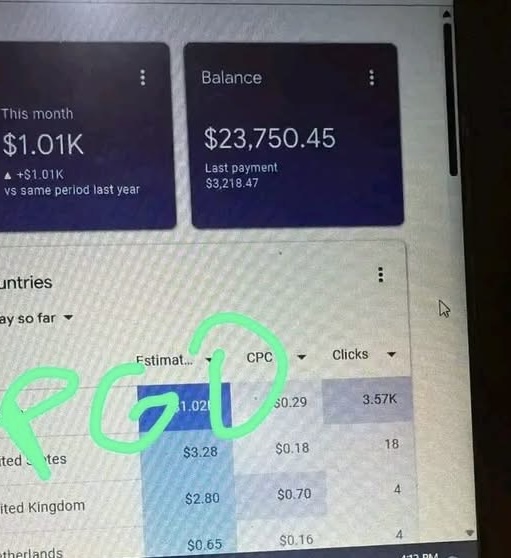
Short answer: arbitrage blogging is a legitimate business model, not a scam. Buying traffic and earning from ads on your own blog is legal. It only stays safe if you follow the rules of the platform sending the traffic and the network paying you. Most failures and bans come from breaking those rules, not from the model itself.
Having trained over 500 bloggers around the world, this is the guide I give them before they spend a naira.
Not legal or financial advice. Policies change. Read the current official policies yourself before you start. Results are never guaranteed.
Quick answers
| Question | Answer |
|---|---|
| Is it a scam? | No. It is a business model with real costs, real risks and no guaranteed return. |
| Is it legal? | Buying ad traffic and showing ads on your site is legal. Always follow all policies though. |
| Does AdSense allow it? | Only if you follow its programme policies. Traffic quality is where arbitrage most often gets into trouble. |
| Can you lose money? | Yes. If traffic costs more than it earns, you lose your ad spend. |
| Can you get banned? | Yes, for policy violations. |
Why people call it a scam
- Course sellers overpromise. Some people sell “guaranteed profit” and “no risk”. Neither exists here.
- Beginners lose their budget. Starting without tracking, testing or compliance can burn money fast.
- Bans happen. People hear that accounts get banned and assume the model is fraud. Usually the cause is a policy violation.
- Spam sites give it a bad name. Empty pages, copied content and clickbait made only to show ads are the problem, and they are not what a compliant operator builds.
A model that can be abused is not a scam. A seller who promises guaranteed results might be.
Where arbitrage blogging breaks the rules
These are the areas my students and I watch most closely.
1. Invalid traffic and invalid clicks
Never click your own ads. Never ask or pay anyone to click them. Do not buy traffic from sources that deliver bots, forced visits or incentivised clicks. If a traffic source looks too cheap to be real people, it usually is not.
2. Thin or empty pages
A page with little or no real content and mostly ads is a policy problem and a poor visitor experience. Every page should give a reader what they came for.
3. Copyright
Publish original content, or content you have clear rights to use. Copying other sites is both a policy and a legal risk.
4. Deceptive layout and navigation
Ads must not be placed to trick clicks or be mistaken for content. Visitors should be able to move around the site easily, with clear menus and working pages.
5. Misleading ad copy
The promise in your Facebook or Google ad should match the page it leads to. Misleading ads can get your ad account restricted, and the visitors are poor quality.
6. Missing basics
A real About page, Contact page, Privacy Policy and Disclaimer are expected on a legitimate site.
A compliance checklist before you spend
- I have read the current AdSense programme policies.
- I have read the current policies of my traffic platform (Facebook Ads, Google Ads).
- Every page has original, useful content a reader would want.
- No page is mostly ads or an empty screen.
- Navigation is clear and every link works.
- The ad promises what the page delivers.
- I will never click my own ads or encourage anyone to.
- I can see traffic quality in analytics (time on site, pages per visit, source).
- I am starting with a small test budget.
- I have About, Contact, Privacy Policy and Disclaimer pages.
What a safe approach looks like
- Build the site for readers first. Ads come second.
- Start with a small test. Prove the numbers before scaling.
- Watch quality, not just clicks. Cheap traffic that does not engage is a warning sign.
- Track every campaign. Know spend, visitors, revenue and return.
- Re-read policies regularly. Rules change.
- Stop what looks wrong. If a source sends suspicious traffic, pause it.
Realistic expectations
Among the bloggers I train, ad spend ranges from ₦2 million to ₦100 million depending on budget. Monthly returns on ad spend commonly fall between 1.5x and 5x, and some reach 10x or more, depending on AdSense CPC or AdX eCPM and on traffic cost on platforms like Facebook and Google Ads. Some campaigns lose money. Those numbers are not a promise.
Red flags when buying a course
- Guaranteed income or “no risk”.
- No mention of AdSense or ad platform policies.
- Shortcuts that involve clicking your own ads or buying fake traffic.
- No proof you can verify, or only screenshots with no dates.
- Pressure to pay quickly.
A good programme teaches compliance, testing and tracking, and shows its risks plainly.
FAQ
Is arbitrage blogging legit? Yes. It is a real business model. It is not a get-rich-quick scheme, and it carries real financial risk.
Is arbitrage blogging legal in Nigeria? Buying ad traffic and monetising a blog is legal. You should still handle taxes and business registration according to Nigerian rules, and follow every platform’s terms.
Does Google AdSense allow arbitrage? AdSense publishers must follow its programme policies. Your traffic must be real, content must have value, clicks must not be manipulated, and your site must be easy to use. Check the current policy text.
Can I get banned for arbitrage blogging? Yes, if you break policy. The usual causes are invalid traffic, thin content, copied content and deceptive layouts.
Is arbitrage blogging a scam? No, but some people who sell it overpromise. Check any claim against evidence.
What is the difference between a legitimate and a spam arbitrage site? A legitimate site gives readers useful, original content and clear navigation. A spam site exists only to show ads.
How do I protect my AdSense account? Follow the current policies, keep content original and useful, buy real traffic, never click your own ads, and track traffic quality.
Continue reading: What Is Arbitrage Blogging? The Complete Guide · How to Start Arbitrage Blogging, Step by Step · Mistakes That Get AdSense Accounts Banned
About the author: Prince Gabriel Okocha is a top Nigerian blogger and founder of Trispark Academy and The Bloggers Forum.
Last updated: [November, 2026]. This is educational content, not legal or financial advice.